

3X FLAG Peptide ≥98%(HPLC)
促销价¥{{model.attbuying.price}}
市场价¥0.00
累计销量0 累计评价0 人评论
别称
{{model.alias}}
中文名称
{{model.name}}
英文名称
{{model.enname}}
品牌
{{model.brand}}
CAS
{{model.cas}}
分子式
分子量
{{model.molecularweight}}
MDL
{{model.mdl}}
货号
{{model.procode}}
-
{{item.title}}
看了又看
| 包装规格: | 5mg 25mg in glass bottle |
| 产品简介: | 氨基酸序列号:Met-Asp-Tyr-Lys-Asp-His-Asp-Gly-Asp-Tyr-Lys-Asp-His-Asp-Ile-Asp-Tyr-Lys-Asp-Asp-Asp-Asp-Lys 一种具有三个重复DYKXXD氨基酸序列的多肽。 靶向:anti-flag M2 antibody 3-Flag peptide has found widespread use as a mild purification reagent for Flag-epitope tagged recombinant proteins. Although its affinity columns release monovalent flagged proteins in the absence of calcium, the antibody retains substantial affinity for the Flag sequence even in metal-free conditions, so that it has been impossible to use it to develop a metal-sensitive ELISA assay. This is due to the ability of the antibody to remain bound to polyvalent surface-coated antigen, for instance, when Flagged proteins are bound to ELISA plates or blotting filters. The resultant antigen polyvalence raises the avidity of the Flag antibody to a point where the reaction is essentially calcium-independent. However, when the antibody itself was made monovalent, by proteolytic cleavage to the Fab, this situation was reversed and the ELISA reaction became calcium-dependent. This new metal-dependent ELISA assay was used to explore the metal requirements of the antibody in detail. Among divalent metals, binding tapered off with increasing radius above that of calcium, or with decreasing radius below that of calcium. Several smaller metals, such as nickel, acted as inhibitors of the binding reaction. Substantial binding was demonstrated for heavy metals such as cadmium, lanthanum and samarium. Because it is of interest to use this antibody for the co-crystallization of recombinant Flag-fusion proteins, the ability to bind heavy metals was a significant finding。 |
| 溶解性: | 溶于水和DMSO。 |
| 储备液保存: | -80°C, 6 months-20°C, 1 month |
| 体外研究: | 1. 通过 3X FLAG peptide 竞争纯化 FLAG 标签蛋白 (1) 质粒转染:将 FLAG 标记的 mIRS-1、hIRS-1 或其突变体的质粒转染到 293 T 细胞中,转染时间为 2 天。 (2) 收集细胞:在 4 °C 下以 14,000 rpm 离心 10 分钟收获细胞,并用 HEPES 缓冲液 (150 mM NaCl、50 mM HEPES、pH 7.4、5 mM EDTA、1% (w/v) 脱氧胆酸钠、1% (v/v) Triton X-100、0.2% 氟化钠、0.1% 原钒酸钠和蛋白酶抑制剂混合物) 裂解细胞。 (3) 利用 Anti-FLAG 磁珠进行蛋白分离与纯化:在细胞裂解液中加入Anti-Flag 磁珠 /Anti-c-Myc 磁珠 (1 μm),在室温下孵育 2 小时或在 4 °C 下孵育过夜。随后用洗涤缓冲液进行洗涤,并用含有 1 mg/mL 3X FLAG 的缓冲液进行洗脱。最后使用增加柱进行凝胶过滤以进一步纯化上清液,该柱使用储存缓冲液平衡。所有纯化的蛋白质均通过离心过滤浓缩,并分装储存在 -80 °C 下。 (4) 蛋白定量与验证:使用 ND-2000 NanoDrop 分光光度计以 OD 280 对纯化的蛋白进行定量,并通过考马斯亮蓝染色进行验证。 2. 通过 3X FLAG peptide 进行 Co-IP 和 co-IP–MS 分析 (1) 将细胞裂解液以 13300 rpm 在 4 °C 离心 15 分钟,去除完整细胞。 (2) 上清液用对照免疫球蛋白 G (IgG) 或一抗在免疫沉淀缓冲液 (150 mM NaCl、20 mM HEPES、pH 7.4、1% Triton X-100、12.5 mM β-甘油磷酸盐、1.5 mM MgCl2、2 mM EGTA,含有磷酸酶和蛋白酶抑制剂) 中过夜孵育,然后在 4 °C 下与 20 μL 重悬的 A/G 蛋白珠孵育 2 小时,以沉淀结合的蛋白质。 (3) 对于连续免疫沉淀,在 4 °C 下用 5 倍凝胶体积的 3X FLAG 洗脱溶液 (终浓度 150 μg/mL) 孵育 2 小时,从珠粒中洗脱结合的蛋白质,随后进行 WB 实验。 (4) 或者样品在 SDS-PAGE 凝胶上运行,然后染色 (Bio-Rad)。随后,切下胶带,脱色,胰蛋白酶消化,并进行 MS 分析,使用液相色谱-MS 确定个别蛋白质。 |
| 保存条件: | -20℃ |
| 注意事项: | 1、为了您的安全和健康,请穿实验服并戴一次性手套操作。 2、以上信息仅做参考交流之用。 |
-
蜀牛玻璃三角瓶
¥85.00 销量:16
-
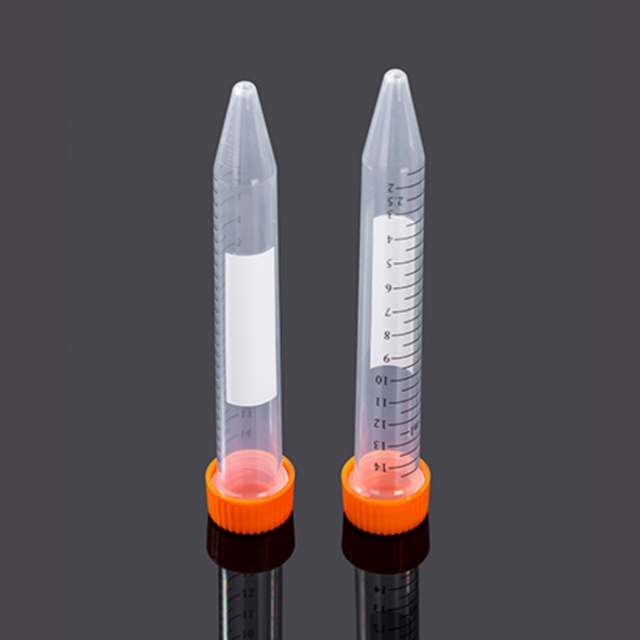 15mL锥底离心管,袋装灭菌,橙色盖
¥636.00 销量:12
-
UFC5030BK 超滤管[0.5ml 30KD]
¥52.00 销量:10
-
UFC5010BK 超滤管[0.5ml 10KD]
¥52.00 销量:10
-
20×TBST缓冲液
¥130.00 销量:10
-
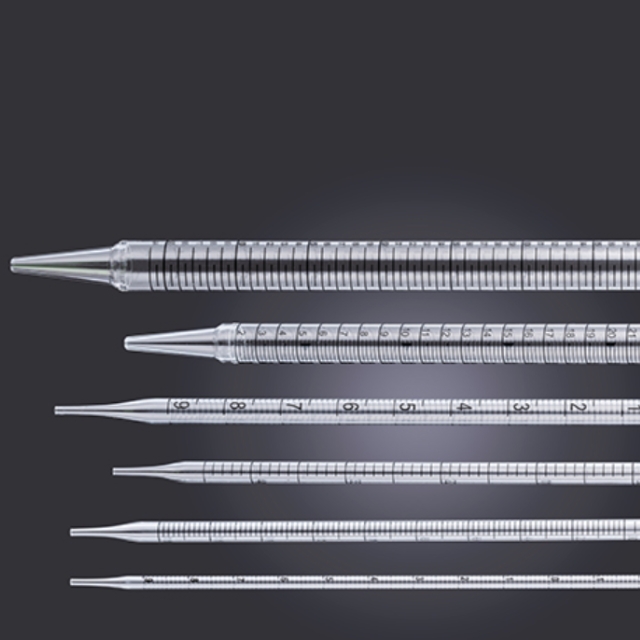 10mL移液管,易撕型全塑包装
¥456.00 销量:10
猜你喜欢
-
¥158.00
通用型 DNA 纯化回收试剂盒 -
¥158.00
质粒快速小提试剂盒 -
¥828.00
100mm TC细胞培养皿,袋装灭菌