

阿来西定 二盐酸盐 ≥98%
促销价¥{{model.attbuying.price}}
市场价¥0.00
累计销量0 累计评价0 人评论
别称
{{model.alias}}
中文名称
{{model.name}}
英文名称
{{model.enname}}
品牌
{{model.brand}}
CAS
{{model.cas}}
分子式
分子量
{{model.molecularweight}}
MDL
{{model.mdl}}
货号
{{model.procode}}
-
{{item.title}}
看了又看
| 包装规格: | 50mg 100mg in glass bottle |
| 产品简介: | 是一种抗癌剂,靶向哺乳动物细胞中的线粒体酪氨酸磷酸酶 PTPMT1,并导致线粒体凋亡。Alexidine dihydrochloride 具有对多种真菌病原体的抗真菌和抗生物膜活性。 |
| 溶解性: | 溶于DMSO(250 mg/mL 超声) |
| 储备液保存: | -80°C, 6 months -20°C, 1 month (sealed storage, away from moisture) |
| 体内实验: | 1、请依序添加每种溶剂: 10% DMSO→40% PEG300→5% Tween-80→45% Saline Solubility: ≥ 2.08 mg/mL (3.58 mM); 澄清溶液 此方案可获得 ≥ 2.08 mg/mL(饱和度未知)的澄清溶液。 以 1 mL 工作液为例,取 100 μL 20.8 mg/mL 的澄清 DMSO 储备液加到 400 μL PEG300 中,混合均匀;再向上述体系中加入 50 μL Tween-80,混合均匀;然后再继续加入 450 μL 生理盐水 定容至 1 mL。 2、请依序添加每种溶剂: 10% DMSO→90% (20% SBE-β-CD in Saline) Solubility: ≥ 2.08 mg/mL (3.58 mM); 澄清溶液 此方案可获得 ≥ 2.08 mg/mL(饱和度未知)的澄清溶液。 以 1 mL 工作液为例,取 100 μL 20.8 mg/mL 的澄清 DMSO 储备液加到 900 μL 20% 的 SBE-β-CD 生理盐水水溶液 中,混合均匀。 3、请依序添加每种溶剂: 10% DMSO→90% Corn Oil Solubility: ≥ 2.08 mg/mL (3.58 mM); 澄清溶液 此方案可获得 ≥ 2.08 mg/mL(饱和度未知)的澄清溶液,此方案实验周期在半个月以上的动物实验酌情使用。 以 1 mL 工作液为例,取 100 μL 20.8 mg/mL 的澄清 DMSO 储备液加到 900 μL玉米油中,混合均匀。 <1mg/ml表示微溶或不溶。 普西唐提供的所有化合物浓度为内部测试所得,实际溶液度可能与公布值有所偏差,属于正常的批间细微差异现象。 请根据产品在不同溶剂中的溶解度选择合适的溶剂配制储备液;⼀旦配成溶液,请分装保存,避免反复冻融造成的产品失效。 |
| 靶点: | PTPMT1 |
| 体外研究: | Alexidine dihydrochloride displays activity against most Candida spp.; MIC values of ≤1.5 μg/mL are observed for all isolates tested under planktonic conditions, with the exception of Candida parapsilosis and Candida krusei. Interestingly, Alexidine dihydrochloride also displays striking activity against clinically relevant fluconazole-resistant Candida isolates: C. albicans (CA2, CA6, and CA10), C. glabrata (CG2 and CG5), C. parapsilosis (CP5), and C. auris (CAU-09 and CAU-03). Inhibition of planktonic growth by Alexidine dihydrochloride reveals a complete inhibition of filamentation or proliferation of the imaged fungi. Alexidine dihydrochloride is able to decimate at low concentrations (1.5 to 6 μg/mL) mature biofilms of Candida, Cryptococcus, and Aspergillus spp. that are known to be resistant to almost all classes of antifungal drugs. In fact, at 10-fold-lower concentrations (150 ng/mL) of planktonic MICs, Alexidine dihydrochloride could inhibit lateral yeast formation and biofilm dispersal in C. albicans. Alexidine dihydrochloride results in 50% killing of HUVECs and lung epithelial cells, at concentrations 5- to 10-fold higher than the MIC required to kill planktonically growing fungal pathogens. |
| 体内研究: | Chosen to focus on biofilm formation by C. albicans, since a murine biofilm model has been well established in this fungus and used for testing the effects of established and new antifungal agents. The effect of the drugs on the 24-h-old biofilms growing in the jugular vein catheters of mice is visualized microscopically, which reveals significantly lower density of the biofilms in catheters treated with Alexidine dihydrochloride. In fact, fungal CFU determination reveals that Alexidine dihydrochloride inhibits 67% of fungal biofilm growth and viability, compared to the control untreated biofilms. |
| 保存条件: | -20℃ |
| 注意事项: | 1、为了您的安全和健康,请穿实验服并戴一次性手套操作。 2、以上信息仅做参考交流之用。 |
-
蜀牛玻璃三角瓶
¥85.00 销量:16
-
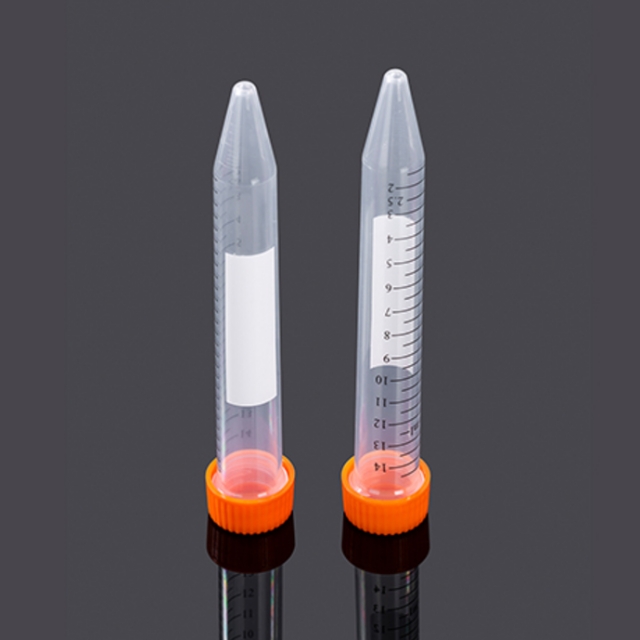 15mL锥底离心管,袋装灭菌,橙色盖
¥636.00 销量:12
-
UFC5030BK 超滤管[0.5ml 30KD]
¥52.00 销量:10
-
UFC5010BK 超滤管[0.5ml 10KD]
¥52.00 销量:10
-
20×TBST缓冲液
¥130.00 销量:10
-
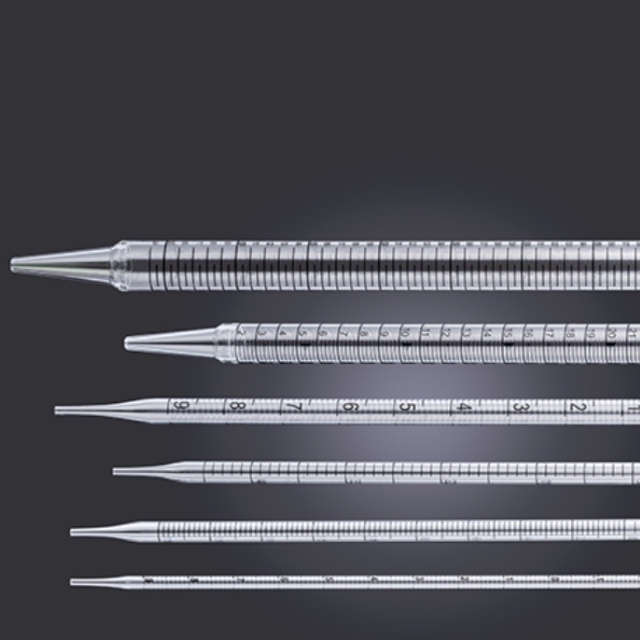 10mL移液管,易撕型全塑包装
¥456.00 销量:10



猜你喜欢
-
¥158.00
通用型 DNA 纯化回收试剂盒 -
¥158.00
质粒快速小提试剂盒 -
¥828.00
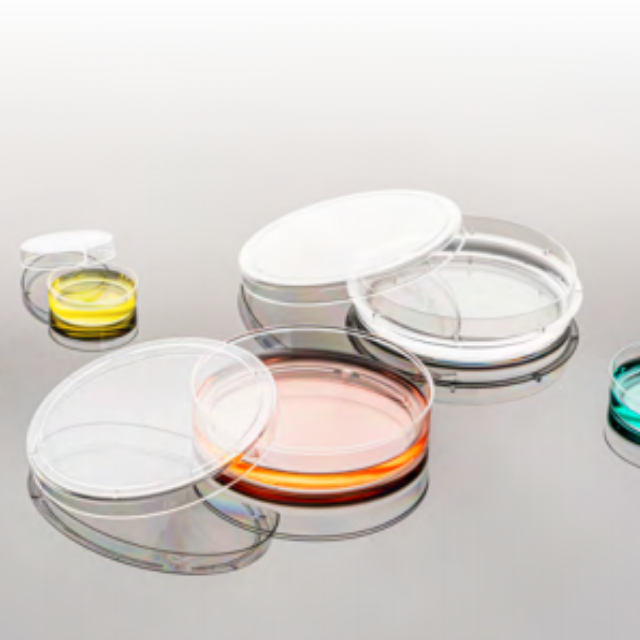
100mm TC细胞培养皿,袋装灭菌