
EVP-6124盐酸盐 ≥98%
促销价¥{{model.attbuying.price}}
市场价¥0.00
累计销量0 累计评价0 人评论
别称
{{model.alias}}
中文名称
{{model.name}}
英文名称
{{model.enname}}
品牌
{{model.brand}}
CAS
{{model.cas}}
分子式
分子量
{{model.molecularweight}}
MDL
{{model.mdl}}
货号
{{model.procode}}
-
{{item.title}}
看了又看
| 包装规格: | 2mg 5mg 10mg 25mg 50mg 100mg in glass bottle |
| 产品简介: | Encenicline hydrochloride (EVP-6124 hydrochloride) 是一种新型 α7 神经元烟碱乙酰胆碱受体 (nAChRs)激动剂。 |
| 溶解性: | 溶于DMSO( ≥ 50mg/mL) |
| 储备液保存: | -80°C, 6 months -20°C, 1 month (sealed storage, away from moisture) |
| 体内实验: | 1、请依序添加每种溶剂: 10% DMSO→40% PEG300→5% Tween-80 →45% saline Solubility: ≥ 2.5 mg/mL (7.00 mM); Clear solution 此方案可获得 ≥ 2.5 mg/mL (7.00 mM,饱和度未知) 的澄清溶液。 以 1 mL 工作液为例,取 100 μL 25.0 mg/mL 的澄清 DMSO 储备液加到 400 μL PEG300 中,混合均匀;向上述体系中加入50 μL Tween-80,混合均匀;然后继续加入 450 μL生理盐水定容至 1 mL。 2、请依序添加每种溶剂: 10% DMSO→90% (20% SBE-β-CD in saline) Solubility: ≥ 2.5 mg/mL (7.00 mM); Clear solution 此方案可获得 ≥ 2.5 mg/mL (7.00 mM,饱和度未知) 的澄清溶液。 以 1 mL 工作液为例,取 100 μL 25.0 mg/mL 的澄清 DMSO 储备液加到 900 μL 20% 的 SBE-β-CD 生理盐水水溶液中,混合均匀。 3、请依序添加每种溶剂: 10% DMSO→90% corn oil Solubility: ≥ 2.5 mg/mL (7.00 mM); Clear solution 此方案可获得 ≥ 2.5 mg/mL (7.00 mM,饱和度未知) 的澄清溶液,此方案不适用于实验周期在半个月以上的实验。 以 1 mL 工作液为例,取 100 μL 25.0 mg/mL 的澄清 DMSO 储备液加到 900 μL玉米油中,混合均匀。 <1mg/ml表示微溶或不溶。 普西唐提供的所有化合物浓度为内部测试所得,实际溶液度可能与公布值有所偏差,属于正常的批间细微差异现象。 请根据产品在不同溶剂中的溶解度选择合适的溶剂配制储备液;一旦配成溶液,请分装保存,避免反复冻融造成的产品失效。 |
| 靶点: | α7 nAChR |
| 体外研究: | Encenicline (EVP-6124) displaces [3H]-MLA (Methyllycaconitine) (Ki=9.98 nM, pIC50=7.65±0.06, n=3) and [125I]-α-bungarotoxin (Ki=4.33 nM, pIC50=8.07±0.04, n=3). Encenicline (EVP-6124) is approximately 300 fold more potent than the natural agonist ACh (Ki=3 μM), measured in binding assays using [3H]-MLA. Encenicline hydrochloride inhibits the 5-HT3 receptor by 51% at 10 nM, the lowest concentration tested. Evaluation of the human 5-HT2B receptor expressed in CHO cells demonstrates displacement of [3H]-mesulergine (Ki=14 nM) and only antagonist activity in the rat gastric fundus assay at an IC50 of 16 μM. In binding and functional experiments, Encenicline (EVP-6124) shows selectivity for α7 nAChRs and does not activate or inhibit heteromeric α4β2 nAChRs. |
| 体内研究: | Encenicline hydrochloride has good brain penetration and an adequate exposure time. Encenicline hydrochloride (0.3 mg/kg, p.o.) significantly restores memory function in scopolamine-treated rats (0.1 mg/kg, i.p.) in an object recognition task (ORT). Although donepezil at 0.1 mg/kg, p.o. or Encenicline hydrochloride at 0.03 mg/kg, p.o. did not improve memory in this task, co-administration of these sub-efficacious doses fully restored memory. In a natural forgetting test, an ORT with a 24 h retention time, Encenicline hydrochloride improved memory at 0.3 mg/kg, p.o. This improvement is blocked by the selective α7 nAChR antagonist methyllycaconitine (0.3 mg/kg, i.p. or 10 μg, i.c.v.). Encenicline hydrochloride is found to bind moderately to rat plasma proteins with a mean fu of 0.11±0.01 (mean±SD) or 11%. Over a range of 0.1-30 mg/kg, p.o., Encenicline hydrochloride demonstrates proportional dose escalation. Tmax is at 4 h in plasma and 2 h brain, although the brain concentrations remained similar between 2 and 8 h. The B:P ratios are 1.7-5.1 between 1 and 8 h. Pharmacokinetic studies have shown that Encenicline hydrochloride (0.4 mg/kg, i.p.) reaches peak brain concentration 2 hr after administration and remains at effective concentrations for at least 4 hr. Encenicline hydrochloride is administered to WT mice at ZT0 (0.4 mg/kg i.p single dose) and significantly increases the saturation index of NMDARs in slices obtained 4 hr later without causing prolonged wakefulness or enhanced locomotor activity . |
| 保存条件: | 2-8°C 干燥密封 |
| 注意事项: | 1、为了您的安全和健康,请穿实验服并戴一次性手套操作。 2、以上信息仅做参考交流之用。 |
-
蜀牛玻璃三角瓶
¥85.00 销量:16
-
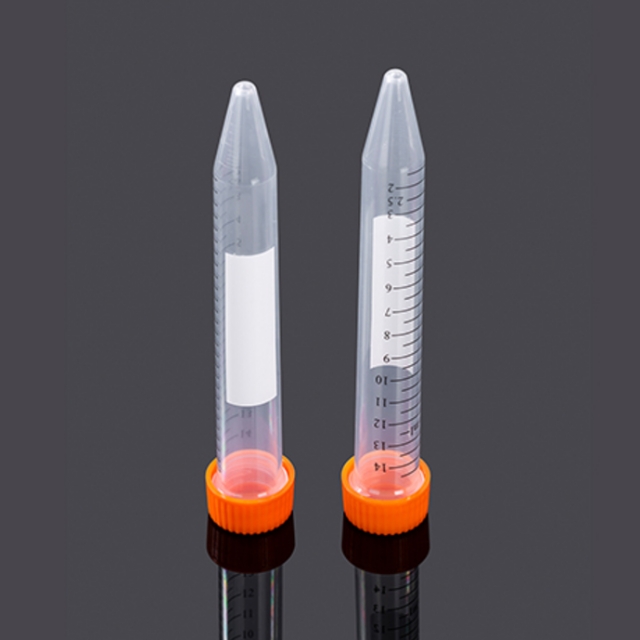 15mL锥底离心管,袋装灭菌,橙色盖
¥636.00 销量:12
-
UFC5030BK 超滤管[0.5ml 30KD]
¥52.00 销量:10
-
UFC5010BK 超滤管[0.5ml 10KD]
¥52.00 销量:10
-
20×TBST缓冲液
¥130.00 销量:10
-
 10mL移液管,易撕型全塑包装
¥456.00 销量:10


猜你喜欢
-
¥158.00
通用型 DNA 纯化回收试剂盒 -
¥158.00
质粒快速小提试剂盒 -
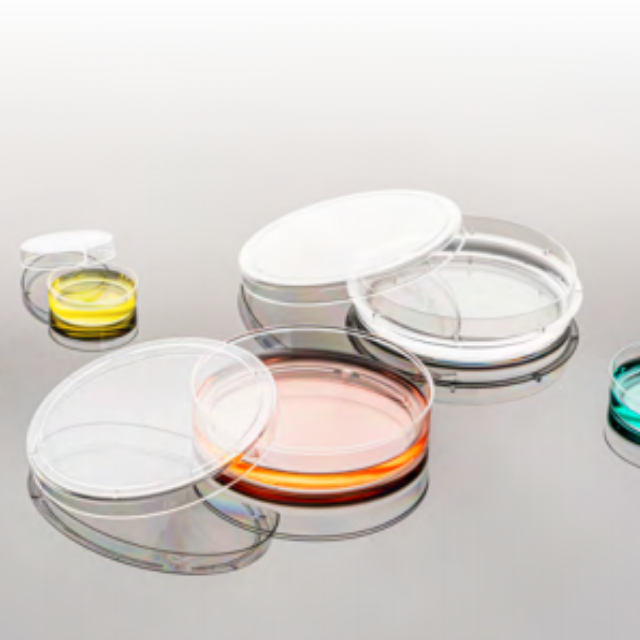
¥828.00
100mm TC细胞培养皿,袋装灭菌