

DMP 696 ≥98%
促销价¥{{model.attbuying.price}}
市场价¥0.00
累计销量0 累计评价0 人评论
别称
{{model.alias}}
中文名称
{{model.name}}
英文名称
{{model.enname}}
品牌
{{model.brand}}
CAS
{{model.cas}}
分子式
分子量
{{model.molecularweight}}
MDL
{{model.mdl}}
货号
{{model.procode}}
-
{{item.title}}
看了又看
| 包装规格: | 5mg 10mg in glass bottle |
| 产品描述: | 基本信息 产品编号: D11587 产品名称: DMP 696 CAS: 202578-52-7 储存条件 粉末 -20℃ 四年 分子式: C18H21Cl2N5O2 溶于液体 -80℃ 六个月 分子量 410.30 -20℃ 一个月 化学名: 8-(2,4-Dichlorophenyl)-N-(1,3-dimethoxypropan-2-yl)-2,7-dimethylpyrazolo[5,1-f][1,3,5]triazin-4-amine 生物活性 产品描述 一种促肾上腺素皮质激素释放激素受体1 (CRHR1) 拮抗剂,常用于焦虑和抑郁症的研究。 体内研究 DMP696 (3mg/kg, p.o.) attenuates consolidation of remote fear memories of mice, without affecting their expression and retention. WT mice treated with DMP696 for 1 week starting 24 h after foot shock also show reduced synaptosomal GluR1 levels than do shocked vehicle-treated controls[1]. Rats treated with different doses of DMP696 (1, 3, 10, 30mg/kg) show very little freezing during the 2-minute preshock interval. Rats treated with DMP696 exhibit a significant overall reduction in CREB phosphorylation, in both the LA, and BLA, but not in the CeA. DMP696 treatment reduces levels of LA and BLA pCREB across all time intervals that do not differ significantly from homecage pCREB levels (P>0.05). In the CeA, both vehicle- and DMP696- treated rats exhibit significantly higher pCREB expression at each post-conditioning time interval than homecage pCREB levels. Rats in the 30 ng DMP696 group exhibit significantly less freezing in comparison to vehicle-treated animals 推荐实验方法(仅供参考) Animal Administration DMP696 is dissolved in saccharose-flavored NaCl 0.9% containing 10% DMSO, 10% PEG 400, and Tween-80 (1 drop/mL). Drug suspension is delivered on an oat flake and then fed to animals at a final dose of 3mg/kg. Controls receive an oat flake soaked with saccharose-flavored vehicle only. The dose of 3mg/kg is chosen on the basis of pilot experiments in which doses of 3, 10, and 30mg/kg have been compared. The drug solutions are always freshly pipetted onto the flake and shortly dried before delivery. Ad libitum-fed mice receive some saccharose-flavored oat flakes 2 days before starting an experiment to habituate them to the novel food. Over the course of treatment, mice show no signs of aversion against the drug-soaked flakes, but readily ate them within a few seconds after delivery. |
| 保存条件: | -20℃ |
-
蜀牛玻璃三角瓶
¥85.00 销量:16
-
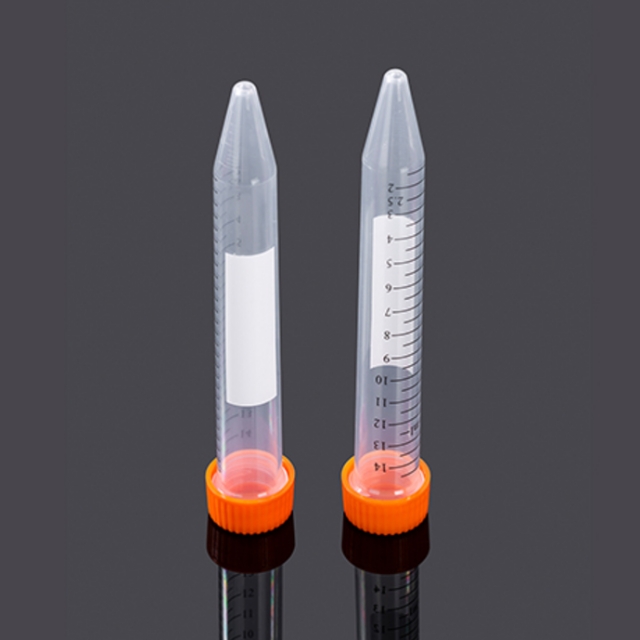 15mL锥底离心管,袋装灭菌,橙色盖
¥636.00 销量:12
-
UFC5030BK 超滤管[0.5ml 30KD]
¥52.00 销量:10
-
UFC5010BK 超滤管[0.5ml 10KD]
¥52.00 销量:10
-
20×TBST缓冲液
¥130.00 销量:10
-
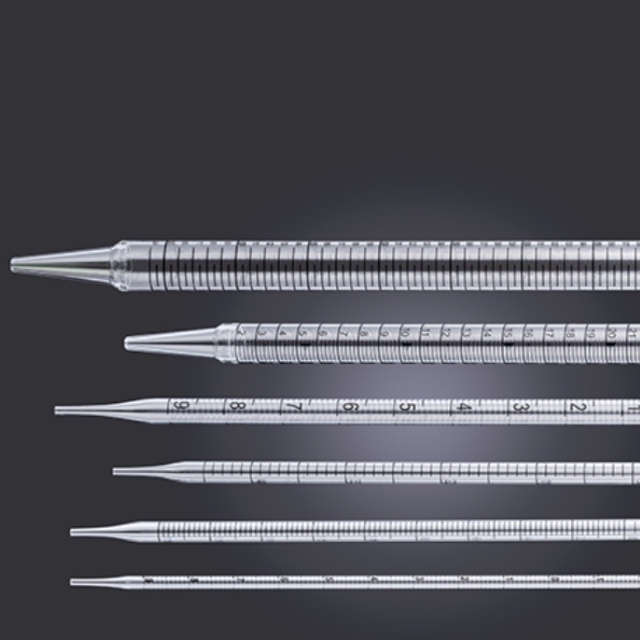 10mL移液管,易撕型全塑包装
¥456.00 销量:10


猜你喜欢
-
¥158.00
通用型 DNA 纯化回收试剂盒 -
¥158.00
质粒快速小提试剂盒 -
¥828.00
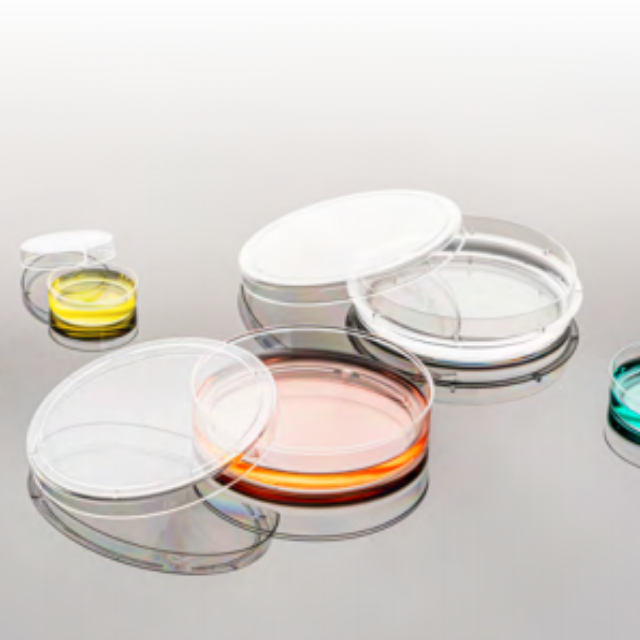
100mm TC细胞培养皿,袋装灭菌