
人参皂苷Re ≥98%(HPLC),分析标准品
促销价¥{{model.attbuying.price}}
市场价¥0.00
累计销量0 累计评价0 人评论
别称
{{model.alias}}
中文名称
{{model.name}}
英文名称
{{model.enname}}
品牌
{{model.brand}}
CAS
{{model.cas}}
分子式
分子量
{{model.molecularweight}}
MDL
{{model.mdl}}
货号
{{model.procode}}
-
{{item.title}}
看了又看
| 包装规格: | 20mg in glass bottle |
| 产品简介: | 一种 Panax notoginseng 提取物。Ginsenoside Re 可降低 β-淀粉样蛋白 (Aβ)。Ginsenoside Re 还通过抑制 JNK 和 NF-κB 发挥抗炎作用。 |
| 溶解性: | DMSO :≥ 50 mg/mL (52.79 mM) |
| 储备液保存: | -80°C, 2 years -20°C, 1 year |
| 体内实验: | 1、请依序添加每种溶剂: 10% DMSO→40% PEG300→5% Tween-80 →45% saline Solubility: ≥ 2.5 mg/mL (2.64 mM); Clear solution 此方案可获得 ≥ 2.5 mg/mL (2.64 mM,饱和度未知) 的澄清溶液。 以 1 mL 工作液为例,取 100 μL 25.0 mg/mL 的澄清 DMSO 储备液加到 400 μL PEG300 中,混合均匀;向上述体系中加入50 μL Tween-80,混合均匀;然后继续加入 450 μL生理盐水定容至 1 mL。 2、请依序添加每种溶剂: 10% DMSO→90% (20% SBE-β-CD in saline) Solubility: ≥ 2.5 mg/mL (2.64 mM); Clear solution 此方案可获得 ≥ 2.5 mg/mL (2.64 mM,饱和度未知) 的澄清溶液。 以 1 mL 工作液为例,取 100 μL 25.0 mg/mL 的澄清 DMSO 储备液加到 900 μL 20% 的 SBE-β-CD 生理盐水水溶液中,混合均匀。 3、请依序添加每种溶剂: 10% DMSO→90% corn oil Solubility: ≥ 2.5 mg/mL (2.64 mM); Clear solution 此方案可获得 ≥ 2.5 mg/mL (2.64 mM,饱和度未知) 的澄清溶液,此方案不适用于实验周期在半个月以上的实验。 以 1 mL 工作液为例,取 100 μL 25.0 mg/mL 的澄清 DMSO 储备液加到 900 μL玉米油中,混合均匀。 <1mg/ml表示微溶或不溶。 普西唐提供的所有化合物浓度为内部测试所得,实际溶液度可能与公布值有所偏差,属于正常的批间细微差异现象。 请根据产品在不同溶剂中的溶解度选择合适的溶剂配制储备液;⼀旦配成溶液,请分装保存,避免反复冻融造成的产品失效。 |
| 靶点: | Aβ1-40 Aβ1-42 NF-κB JNK |
| 体外研究: | Ginsenoside Re is a well-known traditional Chinese medicine, which decreases the β-site amyloid precursor protein cleaving enzyme 1 (BACE1) mRNA and protein levels and inhibits BACE1 activity in the N2a/APP695 cells. Ginsenoside Re also significantly increases the PPARγ protein and mRNA levels.To prevent Ginsenoside Re from having a cytotoxic effect on the N2a/APP695 cells, the cell viability is first determined by the MTT assay. The N2a/WT and N2a/APP695 cells are treated with increasing concentrations of Ginsenoside Re (0-200 µM) for 24 h. Ginsenoside Re concentrations under 100 µM do not affect the viability of the N2a/WT and N2a/APP695 cells, whereas the 150 µM Ginsenoside Re concentration markedly decreases the survival rate of the N2a/WT and N2a/APP695 cells. Incubation with Ginsenoside Re at a 200 µM concentration for 24 h reduces the viability of the N2a/WT and N2a/APP695 cells by 15.58% and 26.82%, respectively. These data indicate that Ginsenoside Re treatment within the range of 0-100 µM for 24 h is safe for the N2a/WT and N2a/APP695 cells (P>0.05). |
| 体内研究: | Ginsenoside Re reduces insulin resistance in 3T3-L1 adipocytes and high-fat diet (HFD) rats through inhibition of JNK and NF-κB activation. Intraperitoneal injection of lipopolysaccharide (LPS) at a dose of 20 mg/kg is lethal to mice, and 70% to 80% of the mice die within 60 h. However, pretreatment of the mice with Rg1 or Ginsenoside Re increases their survival rates in a dose-dependent manner. With the doses of Rg1 or Ginsenoside Re increase from 2.5 to 5 mg/kg, the survival rate is elevated from 60% to 90% (Rg1) or from 30% to 40% (Ginsenoside Re). All the mice administered Rg1 at a minimal dose of 10 mg/kg are protected from death compared to 80% survival of mice treated with an equal dose of Ginsenoside Re. To protect all the mice, 20 mg/kg Ginsenoside Re is needed. To investigate the anti-inflammatory potential of Rg1 and Ginsenoside Re, 1 mg/kg Rg1 or Ginsenoside Re is injected into rats and then challenged the animals with LPS. The injection procedure itself causes a transient stress-induced increase in body temperature of ~1.2°C in each group. Thereafter, LPS-challenged rats without pretreatment develope a robust biphasic fever, with the first peak reaching ~1.5°C at 2 h and the second peak reaching 1.8°C at 4 h. In contrast, the temperature changes for the Rg1-, Ginsenoside Re-, and TAK-242-treated groups are only 0.9, 1.2, and 0.8°C at 2 h and 1.3, 1.4, and 1.0°C at 4 h, respectively. Pretreatment with Rg1, Ginsenoside Re, or TAK-242 significantly attenuates LPS-induced alterations in body temperature. |
| 保存条件: | 2-8℃ |
| 注意事项: | 1、为了您的安全和健康,请穿实验服并戴一次性手套操作。 2、以上信息仅做参考交流之用。 |
-
蜀牛玻璃三角瓶
¥85.00 销量:16
-
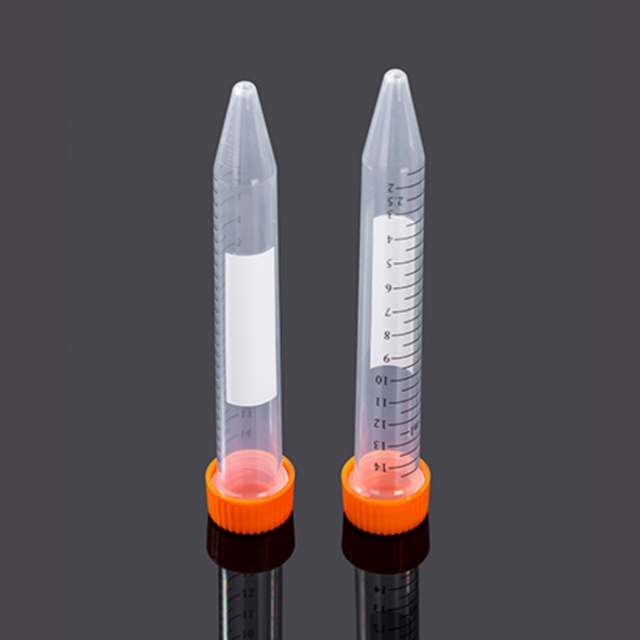 15mL锥底离心管,袋装灭菌,橙色盖
¥636.00 销量:12
-
UFC5030BK 超滤管[0.5ml 30KD]
¥52.00 销量:10
-
UFC5010BK 超滤管[0.5ml 10KD]
¥52.00 销量:10
-
20×TBST缓冲液
¥130.00 销量:10
-
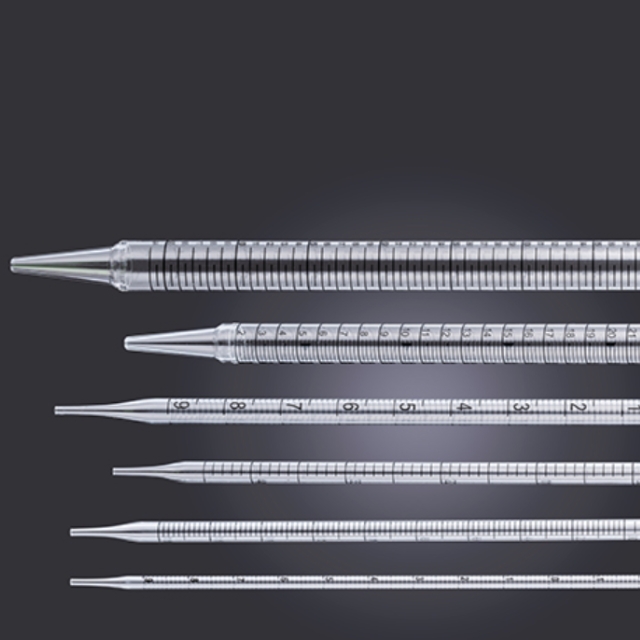 10mL移液管,易撕型全塑包装
¥456.00 销量:10
猜你喜欢
-
¥158.00
通用型 DNA 纯化回收试剂盒 -
¥158.00
质粒快速小提试剂盒 -
¥828.00
100mm TC细胞培养皿,袋装灭菌