
Ro 41-1049 hydrochloride ≥98%
促销价¥{{model.attbuying.price}}
市场价¥0.00
累计销量0 累计评价0 人评论
别称
{{model.alias}}
中文名称
{{model.name}}
英文名称
{{model.enname}}
品牌
{{model.brand}}
CAS
{{model.cas}}
分子式
分子量
{{model.molecularweight}}
MDL
{{model.mdl}}
货号
{{model.procode}}
-
{{item.title}}
看了又看
| 包装规格: | 5mg 10mg 50mg in glass bottle |
| 溶解性: | 溶于DMSO(≥ 32 mg/mL) |
| 产品描述: | 基本信息 产品编号: R10176 产品名称: Ro 41-1049 hydrochloride CAS: 127917-66-2 储存条件 粉末 -20℃ 四年 分子式: C12H13ClFN3Os 溶于液体 -80℃ 6个月 分子量 301.77 -20℃ 1个月 化学名: N-(2-Aminoethyl)-5-(3-fluorophenyl)-4-thiazolecarboxamide hydrochloride Solubility (25°C): 体外: DMSO ≥ 32 mg/mL (106.04mM) Ethanol Water 25 mg/mL (82.84mM; Need ultrasonic) 体内(现配现用): 请依序添加每种溶剂:10% DMSO→40% PEG300→5% Tween-80 →45% saline Solubility: ≥ 2.5 mg/mL (8.28mM); Clear solution 此⽅案可获得 ≥ 2.5 mg/mL (8.28mM,饱和度未知) 的澄清溶液。 以 1mL ⼯作液为例,取 100μL 25.0 mg/mL 的澄清 DMSO 储备液加到 400μL PEG300 中,混合均匀;向上述体系中加⼊ 50 μ L Tween-80,混合均匀;然后继续加⼊ 450μL ⽣理盐⽔定容⾄ 1mL。 请依序添加每种溶剂:10% DMSO→90% (20% SBE-β-CD in saline) Solubility: ≥ 2.5mg/mL (8.28 mM); Clear solution 此⽅案可获得 ≥ 2.5 mg/mL (8.28mM,饱和度未知) 的澄清溶液。 以 1mL ⼯作液为例,取 100μL 25.0 mg/mL 的澄清 DMSO 储备液加到 900μL 20% 的 SBE-β-CD ⽣理盐⽔⽔溶液中,混合均 匀。 请依序添加每种溶剂:10% DMSO→90% corn oil Solubility: ≥ 2.5 mg/mL (8.28mM); Clear solution 此⽅案可获得 ≥ 2.5 mg/mL (8.28mM,饱和度未知) 的澄清溶液,此⽅案不适⽤于实验周期在半个⽉以上的实验。 以 1mL ⼯作液为例,取 100μL 25.0 mg/mL 的澄清 DMSO 储备液加到 900μL ⽟⽶油中,混合均匀。 <1mg/ml表示微溶或不溶。 普西唐提供的所有化合物浓度为内部测试所得,实际溶液度可能与公布值有所偏差,属于正常的批间细微差异现象。 请根据产品在不同溶剂中的溶解度选择合适的溶剂配制储备液;⼀旦配成溶液,请分装保存,避免反复冻融造成的产品失效。 制备储备液 浓度 溶液体积 质量 1mg 5mg 10mg 1mM 3.3138mL 16.5689mL 33.1378mL 5mM 0.6628mL 3.3138mL 6.6276mL 10mM 0.3314mL 1.6569mL 3.3138mL 生物活性 产品描述 一种可逆的并具有选择性的 monoamine oxidase-A抑制剂 靶点 MAO-A 体内研究 Ro 41-1049 (1-50 mg/kg; intraperitoneal injection; for 3 hours; Sprague-Dawley rats) treatment inhibits dopamine metabolite formation and increases dopamine levels in a dose-dependent fashion. Pretreatment with Ro 41-1049 (20 mg/kg) significantly increases dopamine formation following L-dopa administration (100 mg/kg IP) while decreasing formation of 3,4-dihydroxyphenylacetic acid (DOPAC) and homovanillic acid (HVA). Animal Model: Sprague-Dawley rats (200-240 g) Dosage: 1 mg/kg, 5 mg/kg, 10 mg/kg, 20 mg/kg, or 50 mg/kg Administration: Intraperitoneal injection; for 3 hours Result: decreasing formation of DOPAC and HVA. Inhibited dopamine metabolite formation and increased dopamine levels in a dosedependent fashion. Pretreatment with the concentration of 20 mg/kg significantly increased dopamine formation following L-dopa administration while |
| 保存条件: | -20℃ |
-
蜀牛玻璃三角瓶
¥85.00 销量:16
-
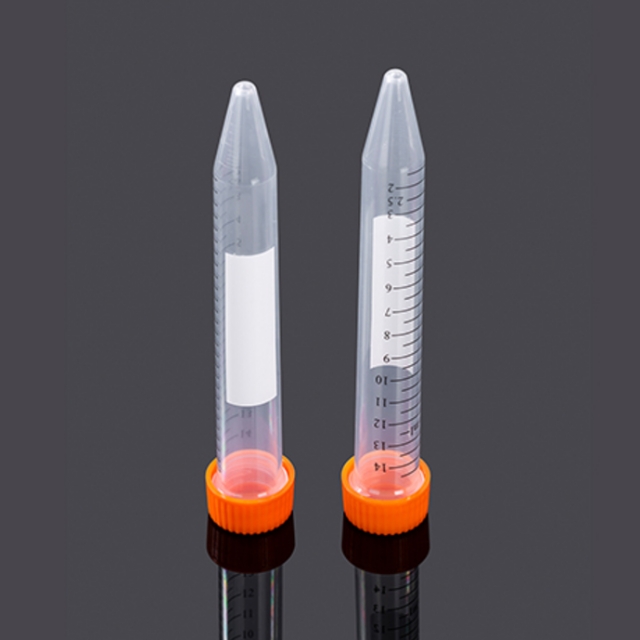 15mL锥底离心管,袋装灭菌,橙色盖
¥636.00 销量:12
-
UFC5030BK 超滤管[0.5ml 30KD]
¥52.00 销量:10
-
UFC5010BK 超滤管[0.5ml 10KD]
¥52.00 销量:10
-
20×TBST缓冲液
¥130.00 销量:10
-
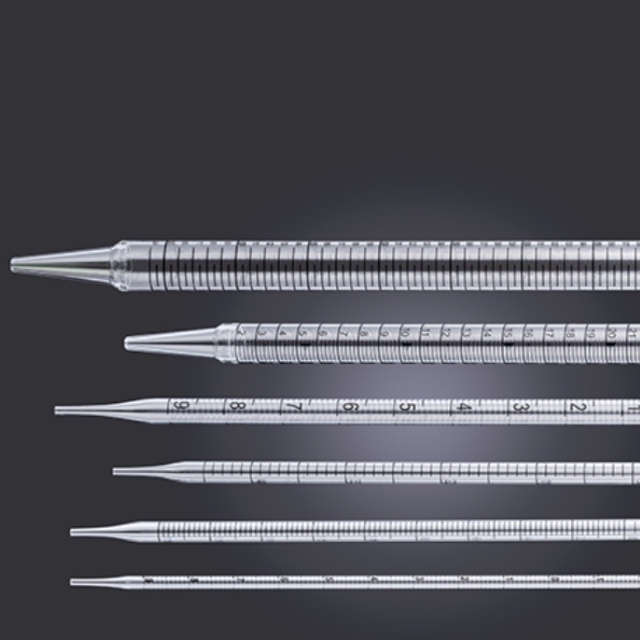 10mL移液管,易撕型全塑包装
¥456.00 销量:10



猜你喜欢
-
¥158.00
通用型 DNA 纯化回收试剂盒 -
¥158.00
质粒快速小提试剂盒 -
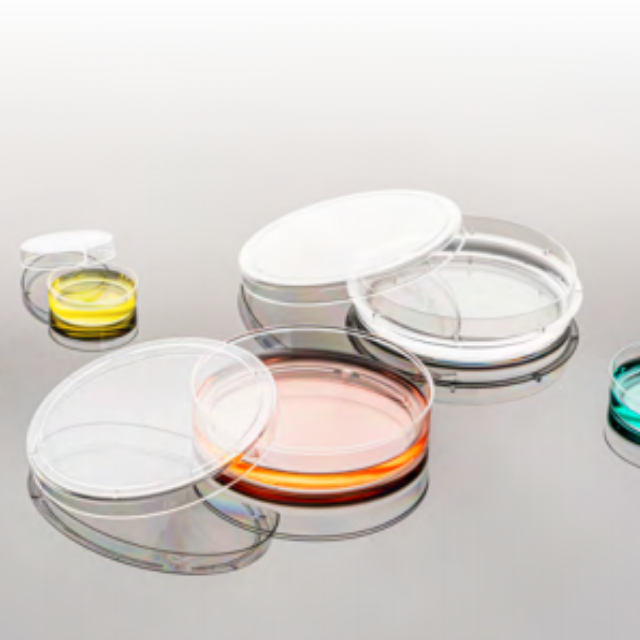
¥828.00
100mm TC细胞培养皿,袋装灭菌